Period: October 16 – October 22, 2026
Insulating Glass Industry News: Aluminum Spacer Bar, Sealant & Float Glass Market Dynamics with Raw Material Price Watch
Lead-in
This weekly report consolidates public industry developments related to insulating glass, aluminum spacer bars and sealants, and tracks price movements in aluminum ingot, float glass and sealant raw materials for the reference of industry clients.
We manufacture 4A–70A aluminum spacer bars and insulating glass sealing accessories. Each week we organize publicly available industry information to help overseas procurement teams stay informed on supply chain conditions.
I. Industry Dynamics & Original Commentary
Note: The following items are independently reorganized and interpreted based on public industry information. Factual sources are cited.
Dynamic 1: North American Glass Fabrication Network Consolidation Continues
Salem Fabrication Technologies Group signed a definitive agreement on October 15 to acquire Matodi, LLC, a North Carolina-based supplier of glass fabrication machinery, tooling and service. Matodi will operate as SFTG’s fifth division, retaining its name and Greensboro facility. Separately, Oldcastle BuildingEnvelope announced a realignment of its glass manufacturing network, transitioning glass operations from Miami South and Grand Prairie, Texas to its established facilities in Miami North, Covington, Georgia, and Houston.
Original Commentary: These moves signal that North American glass fabricators are consolidating machinery, tooling and service capabilities rather than expanding greenfield capacity. For spacer bar exporters, this means customer procurement teams are becoming more centralized. Decision-making may shift from individual plant buyers to regional or corporate supply chain managers who evaluate suppliers on documentation consistency, lead-time reliability and multi-specification coverage. Suppliers who can support a consolidated buyer’s technical queries across a broader product range—without requiring separate qualification at each plant—may gain a practical advantage in this environment.
Dynamic 2: China Float Glass: Prices Soft, Losses Persist, Supply Adjustments Ongoing
According to Zhuochuang Consulting, China’s float glass weekly average price was 1,075.39 yuan/ton for the week, down 5.73 yuan/ton (0.53%) from the prior week. Production costs declined modestly, but glass prices fell faster, widening losses across all three fuel types. Natural gas-fueled lines recorded a pre-tax gross margin of negative 201.24 yuan/ton, with the loss expanding by 4.87 yuan/ton week-on-week. One 550-ton production line was taken offline this week, and 1–2 more lines may be shut down in the coming week.
Original Commentary: The key signal here is not the marginal price decline itself, but the persistence of negative margins across every fuel category. When every production route loses money, cold repair decisions become less discretionary and more forced. For downstream insulating glass processors, the near-term implication is that float glass supply remains available but at the cost of producer financial stress. For spacer bar and accessory suppliers, the relevant question is whether glass processors will maintain operating rates. Current indications suggest processors are running on order-driven schedules rather than building inventory, which means accessory demand will track project releases closely. Exporters should avoid framing this as a “supply tightening” narrative to clients—the data does not support that yet.
Dynamic 3: Butyl Rubber Feedstock Firm, Halobutyl Range Stable
For the week October 16–22, China’s domestic butyl rubber market showed a firm-to-slightly-strong tone on supply-side support. Regular butyl 1675N was quoted at 29,200–29,500 yuan/ton, while halogenated butyl 2030 ranged 34,500–35,500 yuan/ton as of October 22. Butyl rubber plant capacity utilization stood at approximately 71.03%.
Original Commentary: Butyl rubber is the base polymer for primary sealing butyl tape used in insulating glass. The current price level and utilization rate suggest no acute feedstock shortage, but the firm tone means primary sealant costs are unlikely to decline in the near term. For export clients, this reinforces a batch-based procurement approach rather than speculative stockpiling. It is worth noting that this data covers butyl rubber polymer, not compounded butyl tape—the conversion cost and tape formulation vary by supplier, so the polymer price is a directional indicator rather than a direct input for finished tape pricing.
II. Raw Material Price Tracker (Public Reference Prices)
Note: Prices are domestic China spot market references, tax-inclusive. For industry reference only; not our company’s product quotations.
| Raw Material | This Week’s Reference | Prior Week | Change | Source |
| A00 Aluminum Ingot (Yangtze River) | 23,690 yuan/ton (Oct 23 daily avg, NOT weekly average) | 23,700 yuan/ton | -10 yuan/ton (daily) | Lange Steel / Yangtze Nonferrous |
| Float Architectural Glass | 1,075.39 yuan/ton (weekly avg, 5mm white glass basis) | 1,081.12 yuan/ton | -5.73 yuan/ton (-0.53%) | Zhuochuang Consulting |
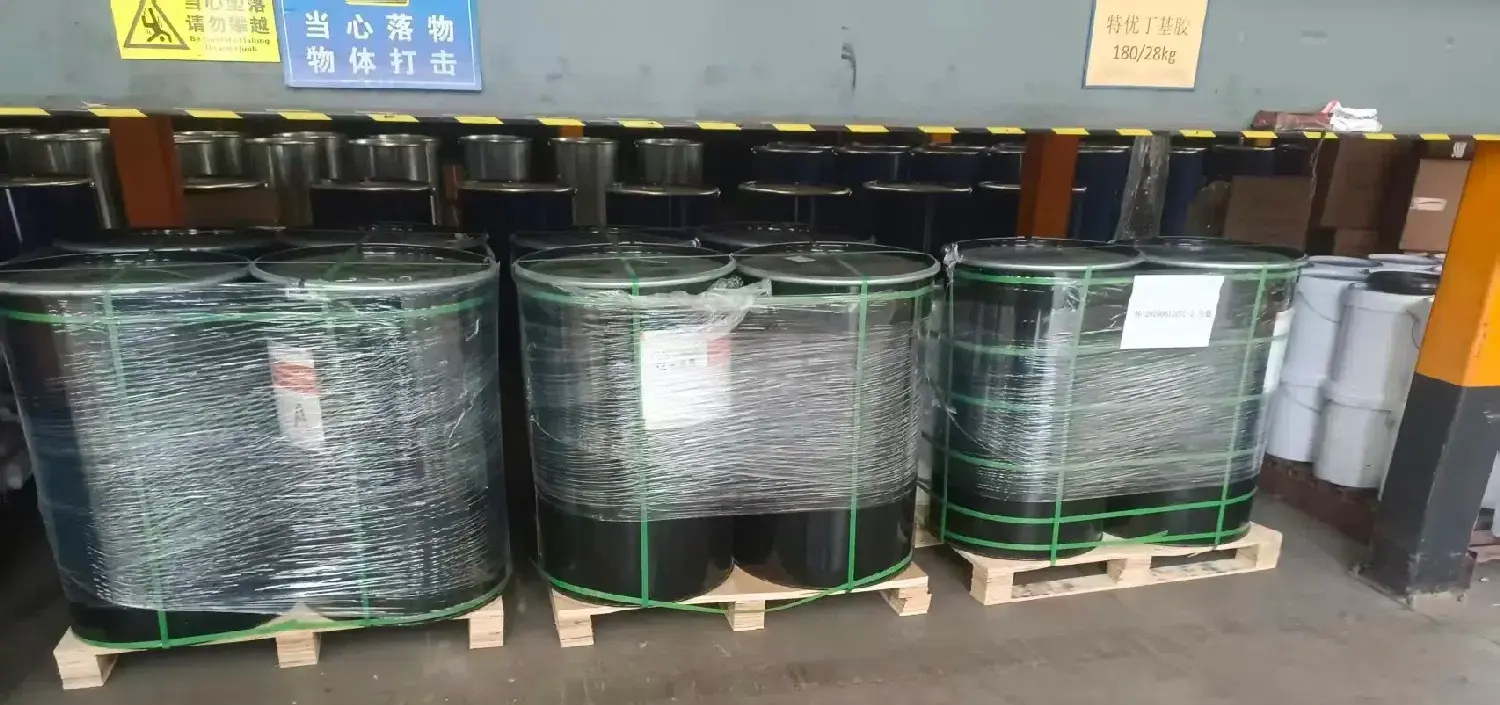
| Butyl Rubber 1675N (primary sealant feedstock) | 29,200–29,500 yuan/ton | 29,000–29,300 yuan/ton | Firm | Longzhong / Mysteel |
| Halogenated Butyl 2030 | 34,500–35,500 yuan/ton | 34,500–35,500 yuan/ton | Stable range | Longzhong / Mysteel |
| Silicone Sealant (secondary sealant) | No public weekly average available from Zhuochuang this period | — | — | Requires Zhuochuang subscription access |
Table note: The silicone sealant row is intentionally left blank rather than estimated. Zhuochuang’s public summary for this period did not disclose a specific weekly average for silicone sealant. Estimating or imputing a figure would undermine the factual basis of this report. If a number is required for publication, retrieve it directly from Zhuochuang’s monomer or sealant price page before release.
Price interpretation for client communication: The aluminum ingot figure is a single-day snapshot (Oct 23), not a weekly average—this distinction should be stated if clients ask about volatility. The float glass figure is a true weekly average from Zhuochuang, which is the more defensible number for cost discussions than a single-day quote.
III. Weekly Brief Commentary
This week’s upstream picture for insulating glass components is one of soft prices with persistent cost pressure. Float glass prices edged lower while losses widened across all fuel routes, meaning producers have limited room to absorb further cost increases but also limited pricing power. Aluminum ingot moved within a narrow band, offering no clear directional signal for spacer bar costs. Butyl rubber feedstock held firm on supply-side support.
For export-facing spacer bar and accessory suppliers, the practical takeaways are:
- Float glass availability is not the bottleneck; processor order flow is. With glass producers losing money and cold repairs accumulating, the risk to accessory demand is not glass scarcity but downstream caution. Clients running project-based procurement schedules are unlikely to accelerate orders purely on glass price movements.
- Sealant cost direction is mixed and should be communicated as such. Butyl-side costs are firm; silicone-side public data is insufficient to make a confident call this week. Avoid telling clients “sealant prices are rising” or “falling” without specifying which sealant type and what data supports the claim.
- Long-term agreement pricing discussions should reference published indices, not forecasts. If a client asks about locking prices, the defensible approach is to anchor discussions to the most recent published weekly average (e.g., Zhuochuang float glass weekly average) and explicitly state that the figure is a historical reference, not a projection.
This commentary is based solely on factual market conditions observed during the reporting period. It does not constitute a forecast of future price movements.
IV. Industry Knowledge: Aluminum Spacer Bar Specifications 4A–70A
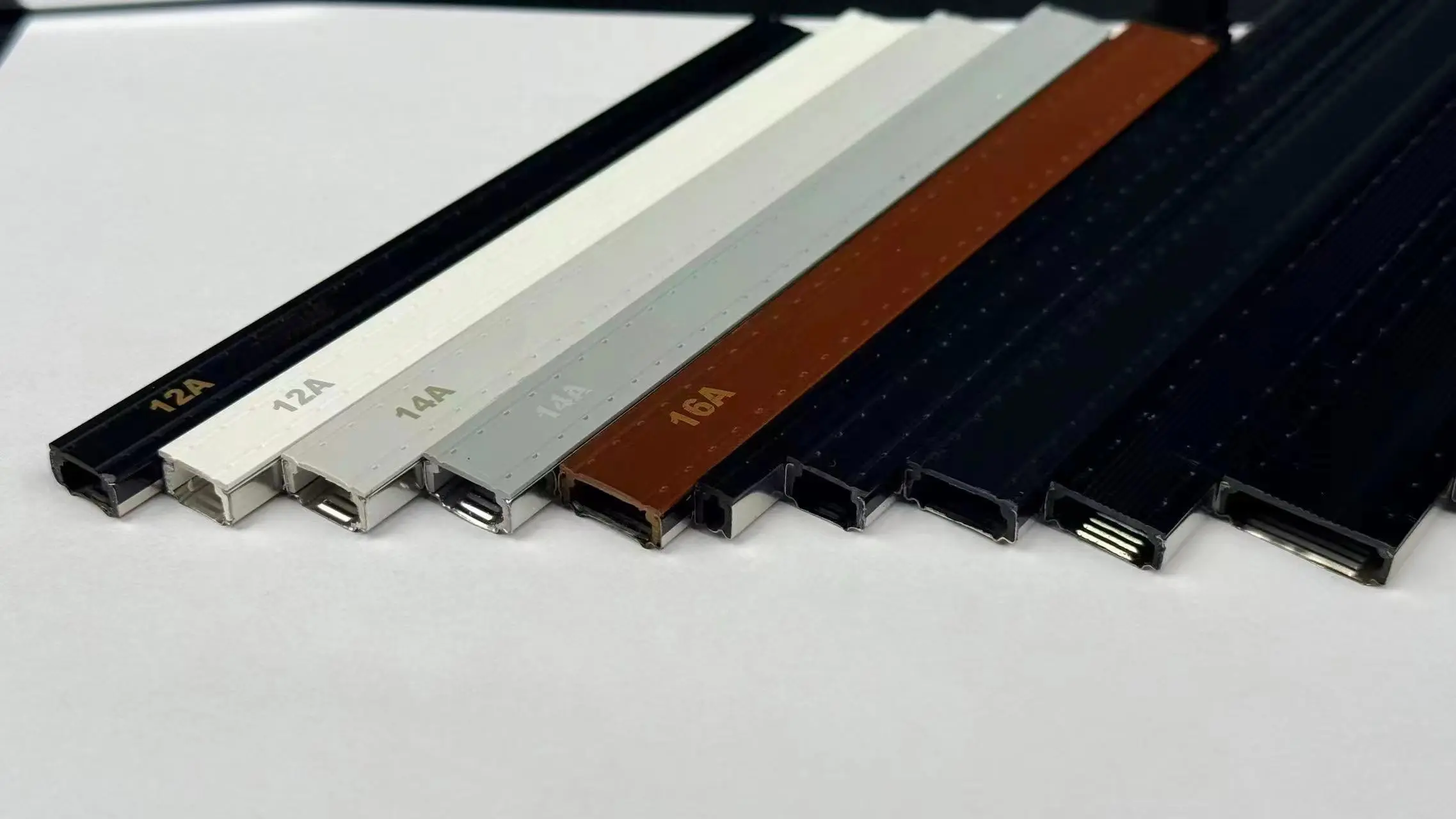
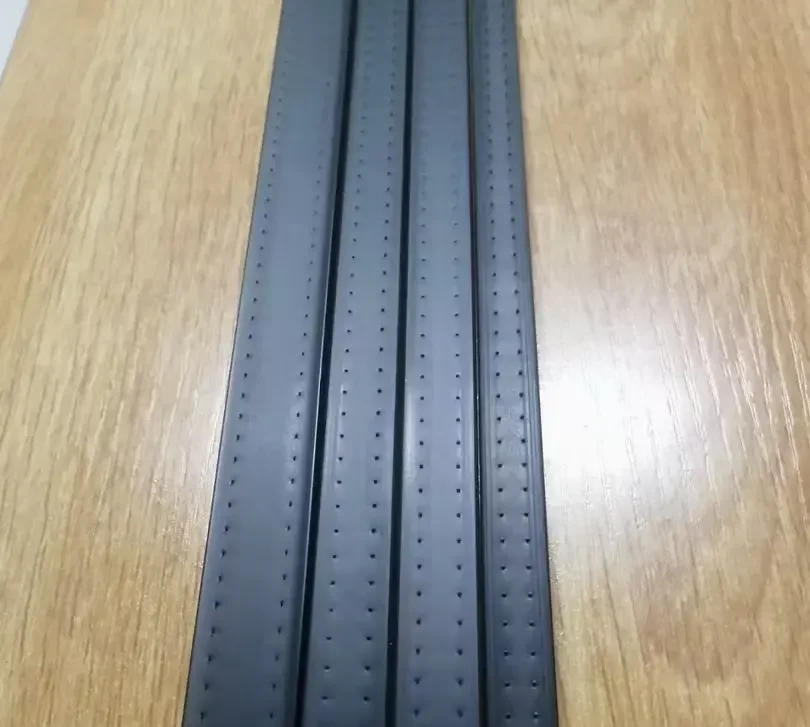
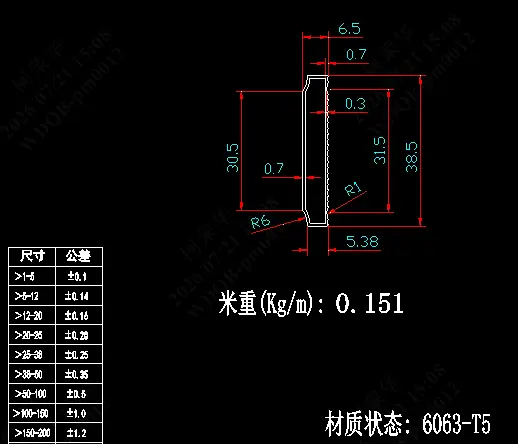
Aluminum spacer bars are a core structural component of insulating glass units. The “A” designation refers to the width of the spacer, which determines the air gap or cavity depth in the IGU. 4A represents a 4mm spacer width, while 70A represents 70mm. Narrow specifications (4A–12A) are typically used in residential window IGUs where overall unit thickness is constrained. Wider specifications (16A and above) are used in commercial curtain wall and structural glazing applications where thermal performance and structural requirements demand deeper cavities. Our production range covers the full 4A–70A spectrum to support both window and curtain wall project requirements.
English Disclaimer All information in this weekly report is for general industry reference only. Market price data is sourced from public authoritative platforms. It shall NOT be regarded as investment or purchasing advice. Actual quotation is subject to our official offer.
News summaries are independently interpreted by our company. All self-taken photos are copyrighted and not allowed for reuse without permission. We shall not be liable for any commercial losses arising from reliance on this report.