Insulating Glass Sealant: The Ultimate Buyer’s Guide for IGU Manufacturers
The quality of an Insulating Glass Unit (IGU) doesn’t just depend on the glass and the spacer bar. The insulating glass sealant is the unsung hero that holds everything together. It ensures structural integrity and prevents moisture from entering the unit.
If you are manufacturing Insulating Glass Units (IGUs), choosing the right sealant is critical. This guide covers the types, applications, and how to choose the best one for your production line.
The Role of Sealants in IGU Production
An insulating glass unit requires two lines of defense against moisture:
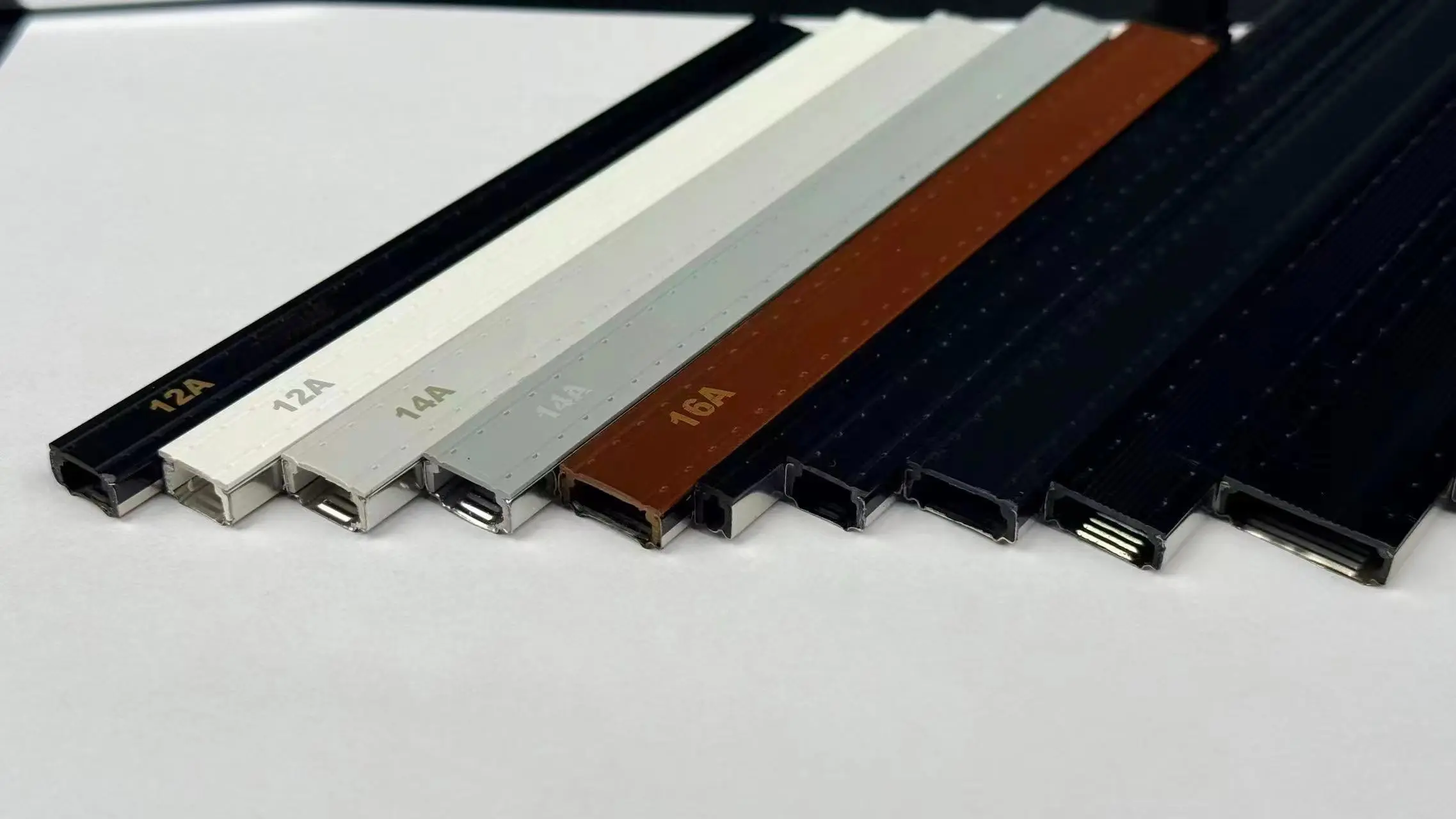
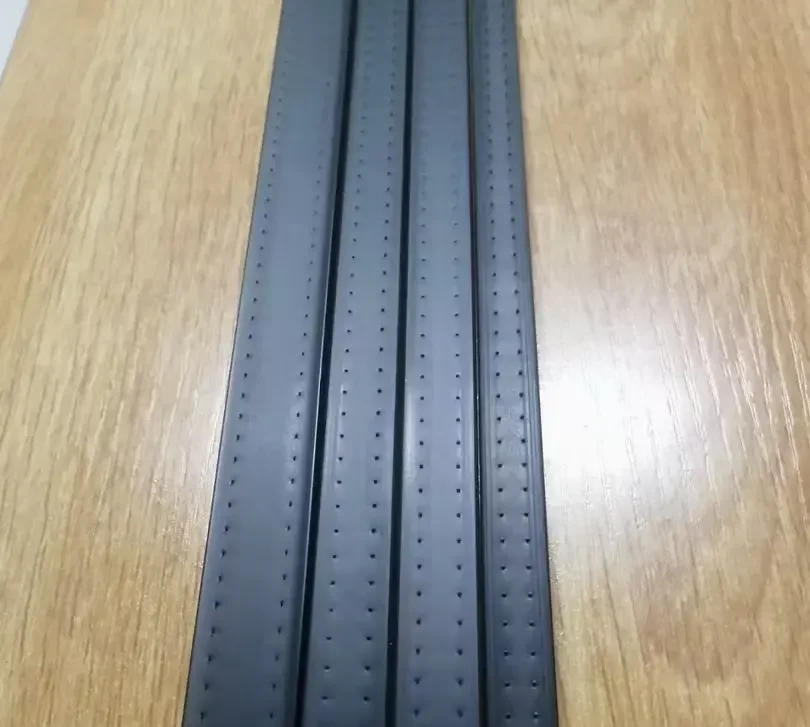
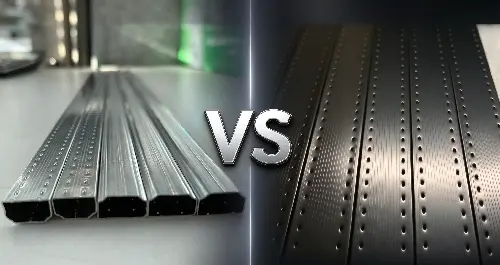
The Primary Seal: Usually butyl tape or hot melt butyl. It is applied to the spacer bar to prevent moisture from entering the air gap.
The Secondary Seal: This is where the insulating glass sealant comes in. The secondary seal provides structural strength and bonds the two glass panes together.
Types of Insulating Glass Sealants
There are several types of sealants used in the industry today:
Structural Silicone Sealant (for high-end projects): This is the preferred secondary sealant for premium applications such as glass curtain walls and glass sunrooms, where quality requirements are extremely high. The warranty period typically reaches up to 20 years.
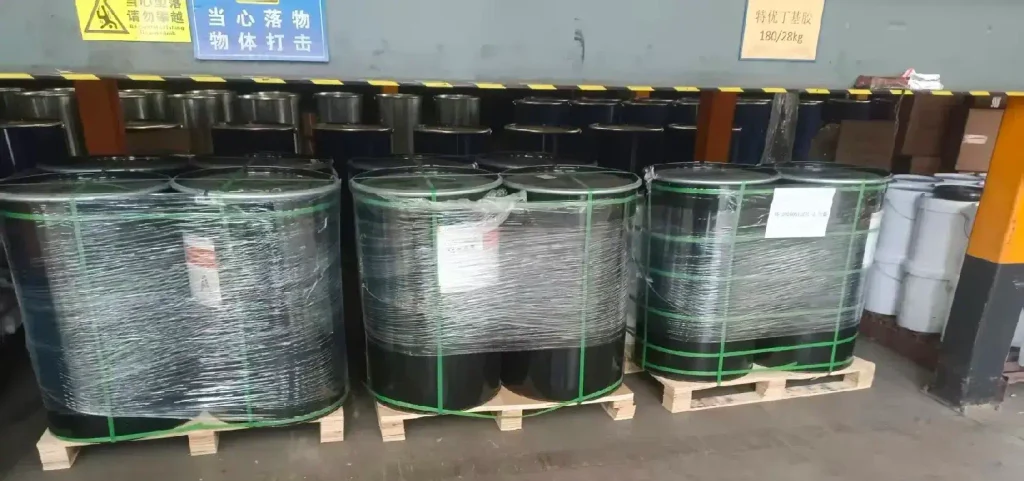
Two-Part Silicone Sealant: This is currently the most popular choice globally and the mainstream option for mid-to-high-end architectural glass. Although it cannot fully replace structural silicone, it is the absolute go-to for most engineering glass. It offers excellent adhesion, high structural strength, and fast curing times. Our two-part silicone sealant for insulating glass is specially designed for high-speed production lines, ensuring maximum efficiency. Furthermore, its cost is lower than structural silicone, which is a major factor in why it has become the mainstream choice—balancing cost and quality is the optimal solution.
Polysulfide Sealant: Traditionally used in Europe, it offers good adhesion but is less flexible than silicone.
How to Choose the Right Sealant?
When selecting an insulating glass sealant for your factory, keep these factors in mind:
For Curtain Walls and Large Sunroom Projects: Unframed glass projects must use structural silicone. Although the cost is higher, its powerful bonding strength is a strong guarantee for the long-term safety of the project.
For Standard Engineering IGU Projects, remember these three points:
Compatibility: The secondary sealant must be compatible with the primary seal (butyl) and the spacer bar. We strictly reject any acidic products containing white oil. We will publish a professional article later explaining the major factors behind butyl tape oil bleeding.
Curing Time: If you have a high-volume production line, you need a fast-curing sealant. Our two-part silicone sealant features fast surface drying, significantly improving your production efficiency.
Weather Resistance: For high-end architectural projects, the sealant must withstand extreme temperatures and UV exposure.
Conclusion:
Choosing the right insulating glass sealant is essential for producing high-quality, durable windows. At Henghui, we provide factory-direct solutions for all your IGU needs, including sealants, spacer bars, and molecular sieves.
If you encounter any issues—such as how to mix two-part IGU sealants, how to choose high-quality two-part silicone sealant and butyl tape, or how to effectively prevent molecular sieve desiccant from getting damp—please contact Henghui. We will patiently provide free technical answers. Due to space limitations, we will also publish professional articles addressing these topics in the future.
[Contact us today to get a free sample and technical consultation!]
Made with care · Premium Sealants
At Henghui, we pursue wholehearted dedication in every product.