Period: October 23 – October 29, 2026
Insulating Glass Industry News: Aluminum Spacer Bar, Sealant & Float Glass Market Dynamics with Raw Material Price Watch
Lead-in
This weekly report consolidates public industry developments related to insulating glass, aluminum spacer bars and sealants, and tracks price movements in aluminum ingot, float glass and sealant raw materials for the reference of industry clients.
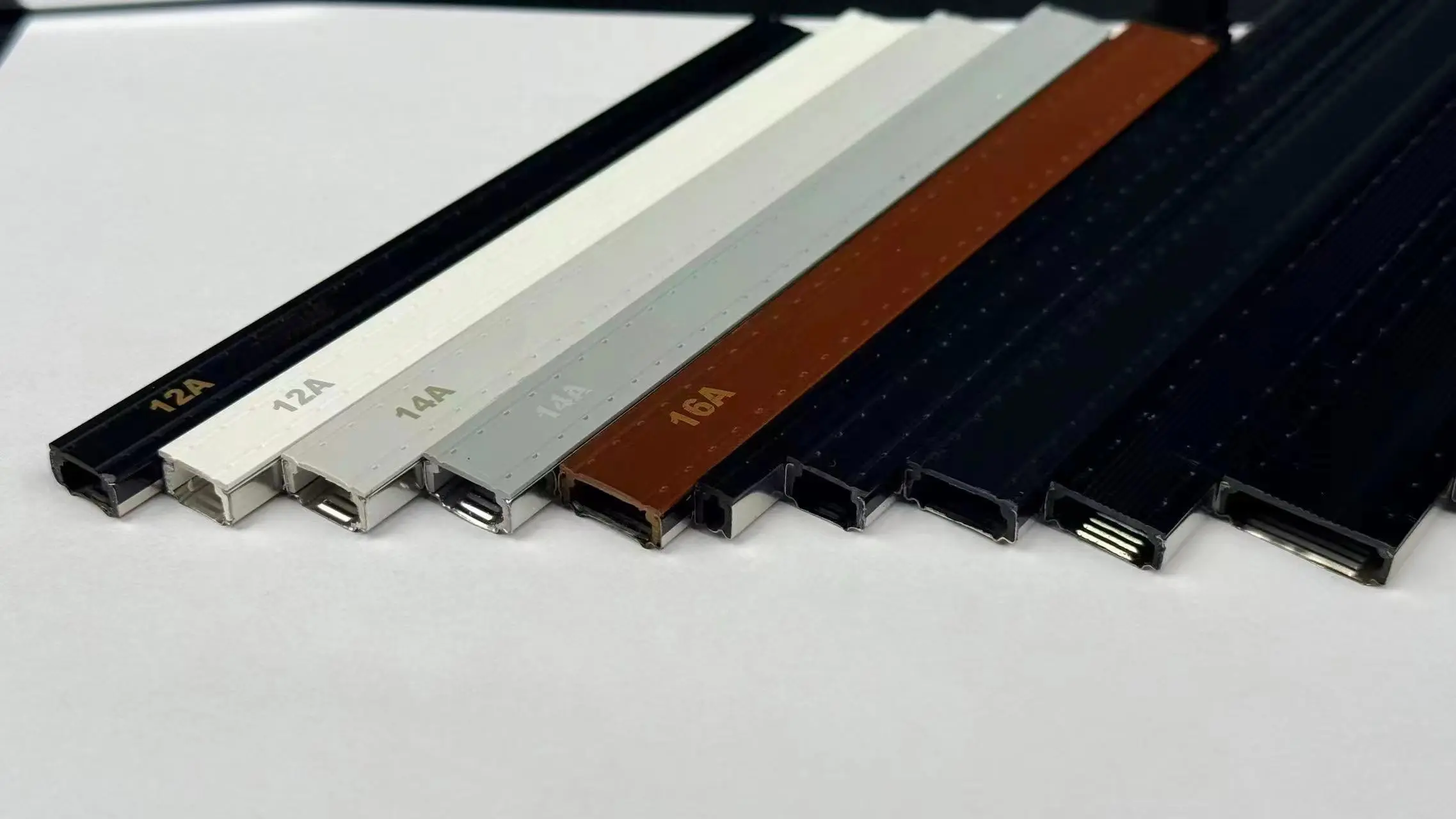
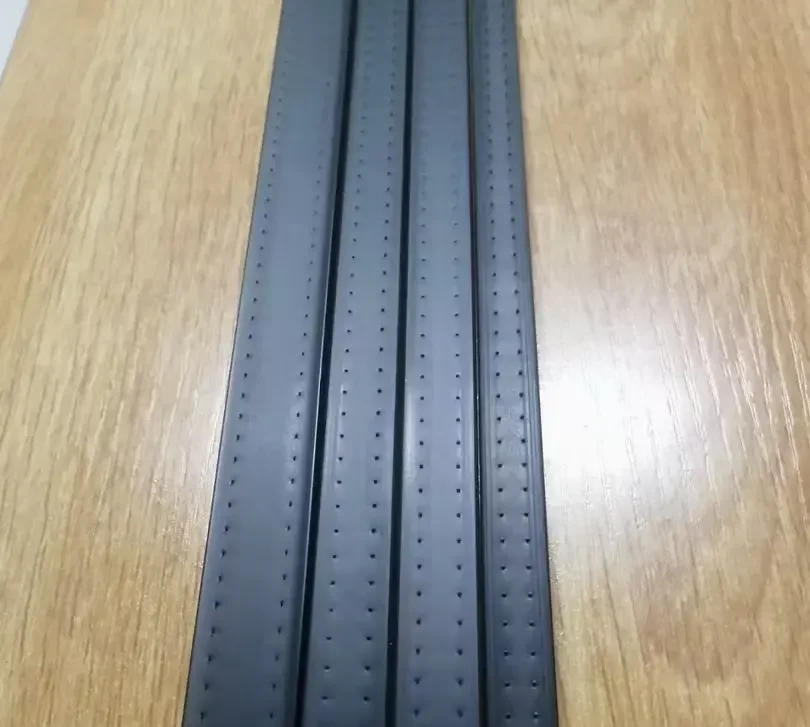
We manufacture 4A–70A aluminum spacer bars and insulating glass sealing accessories. Each week we organize publicly available industry information to help overseas procurement teams stay informed on supply chain conditions.
I. Industry Dynamics & Original Commentary
Note: The following items are independently reorganized and interpreted based on public industry information. Factual sources are cited.
Dynamic 1: North American Glass Fabrication Network Consolidation Continues
Oldcastle BuildingEnvelope announced a realignment of its glass manufacturing network, transitioning glass operations from Miami South and Grand Prairie, Texas to its established facilities in Miami North, Covington, Georgia, and Houston. This follows Salem Fabrication Technologies Group’s definitive agreement on October 15 to acquire Matodi, LLC, a North Carolina-based supplier of glass fabrication machinery, tooling and service.
Original Commentary: These moves continue to point in the same direction as last week: North American glass fabricators are consolidating machinery, tooling and service capabilities rather than expanding greenfield capacity. For spacer bar exporters, the practical implication is that customer procurement teams are becoming more centralized. Decision-making may shift from individual plant buyers to regional or corporate supply chain managers who evaluate suppliers on documentation consistency, lead-time reliability and multi-specification coverage. Suppliers who can support a consolidated buyer’s technical queries across a broader product range—without requiring separate qualification at each plant—may gain a practical advantage in this environment.
Dynamic 2: glasstec 2026 Closes with AI and Decarbonization in Focus
glasstec 2026, held October 20–23 in Düsseldorf, closed with over 1,170 exhibitors from 48 countries and visitors from 126 countries, with approximately 75% of attendees coming from outside Germany. The event focused on AI and digitalization, decarbonization, and circular economy themes across glass production and processing.
Original Commentary: The exhibition’s emphasis on AI and decarbonization reflects European processors’ rising interest in automation and energy efficiency. For spacer bar and accessory suppliers, this is an indirect signal rather than a direct demand driver: it suggests that European customers may increasingly evaluate suppliers on process consistency and documented performance data. We do not read this as an immediate shift in spacer bar procurement, but it is worth monitoring as a medium-term trend in how European buyers frame supplier qualification.
II. Raw Material Price Tracker (Public Reference Prices)
Note: Prices are domestic China spot market references, tax-inclusive. For industry reference only; not our company’s product quotations.
| Raw Material | This Week’s Reference | Prior Week | Change | Source |
|---|---|---|---|---|
| A00 Aluminum Ingot (Yangtze River) | 23,740 yuan/ton (Oct 29 daily avg) | 23,680 yuan/ton (Oct 23 daily avg) | +60 yuan/ton (between two daily snapshots) | China Nonferrous Metals / Yangtze Nonferrous |
| Float Architectural Glass | 1,068.92 yuan/ton (weekly avg, 5mm white glass basis) | 1,075.39 yuan/ton | -6.47 yuan/ton (-0.60%) | Zhuochuang Consulting |
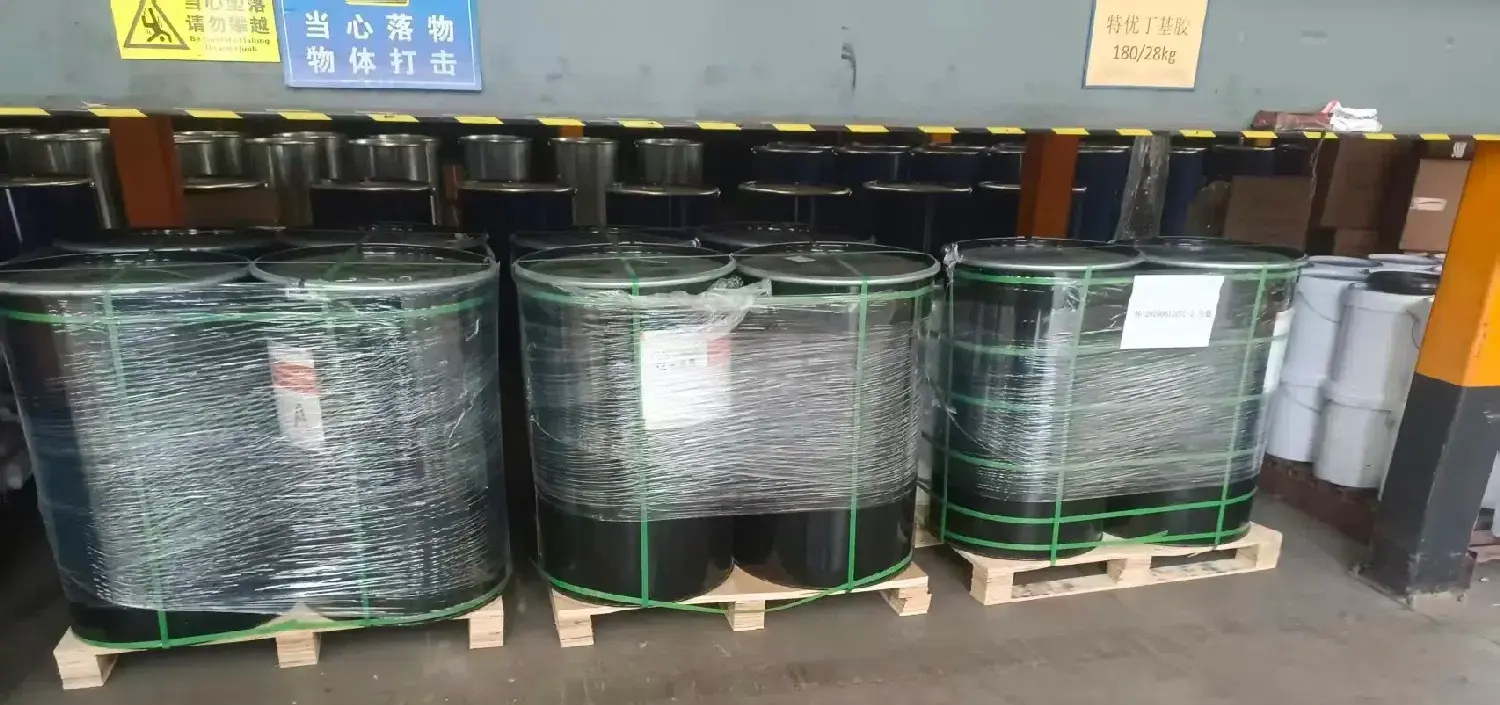
| Butyl Rubber 1675N (primary sealant feedstock) | 30,000–30,300 yuan/ton | 29,200–29,500 yuan/ton | Firm, up | Longzhong / Mysteel |
| Halogenated Butyl 2030 | 34,500–35,500 yuan/ton | 34,500–35,500 yuan/ton | Stable range, tight supply | Longzhong / Mysteel |
| Silicone Sealant (secondary sealant) | No public weekly average disclosed this period | — | — | Requires Zhuochuang subscription access |
Table note: The aluminum ingot row compares two single-day snapshots (Oct 23 and Oct 29), not weekly averages—this distinction should be stated if clients ask about volatility. The float glass figure is a true weekly average from Zhuochuang. The silicone sealant row is intentionally left blank rather than estimated, because no public weekly average was disclosed for this period. Estimating or imputing a figure would undermine the factual basis of this report. If a number is required for publication, retrieve it directly from Zhuochuang’s monomer or sealant price page before release.
Price interpretation for client communication: The float glass weekly average continued to decline and the pace of decline widened slightly, with Zhuochuang noting no clear change in industry inventory and Northeast supply moving into South and East China markets. The butyl rubber 1675N price range moved up from last week’s level—this is a real change and can be communicated as a cost increase on the primary sealant feedstock side, but it should be framed as butyl rubber polymer pricing, not finished tape quotation, since conversion cost and tape formulation vary by supplier. The aluminum ingot figures are two daily snapshots and do not establish a clear weekly direction.
III. Weekly Brief Commentary
This week’s upstream picture for insulating glass components is one of continued softness in float glass with firmness on the butyl side. Float glass prices edged lower again, with the weekly decline widening slightly, while butyl rubber feedstock moved up. Aluminum ingot showed no clear weekly direction across the two daily snapshots.
For export-facing spacer bar and accessory suppliers, the practical takeaways are:
- Float glass availability is not the bottleneck; processor order flow is. The weekly average decline and the absence of clear inventory change suggest processors are running on order-driven schedules rather than building inventory. Clients running project-based procurement are unlikely to accelerate orders purely on glass price movements.
- Butyl-side costs moved up this week, but the transmission to finished butyl tape is not one-to-one. When communicating with clients, specify that the figure refers to butyl rubber polymer, not compounded tape, and avoid framing it as an immediate tape price increase.
- Silicone-side public data remains insufficient this week. Avoid telling clients “sealant prices are rising” or “falling” without specifying which sealant type and what data supports the claim.
- Long-term agreement pricing discussions should reference published indices, not forecasts. If a client asks about locking prices, anchor the discussion to the most recent published weekly average (e.g., Zhuochuang float glass weekly average) and explicitly state that the figure is a historical reference, not a projection.
This commentary is based solely on factual market conditions observed during the reporting period. It does not constitute a forecast of future price movements.
IV. Industry Knowledge: How Butyl Tape and Aluminum Spacer Bars Work Together in an IGU
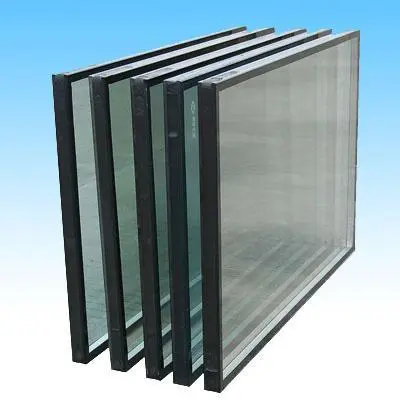
In an insulating glass unit, the aluminum spacer bar and the butyl tape form the primary sealing system. The spacer bar maintains the cavity width and carries the desiccant; the butyl tape is applied to the sides of the spacer bar and provides the primary gas and moisture barrier. The two components are specified together because their dimensions and application methods must match: the tape width must correspond to the spacer bar height, and the application temperature and pressure affect adhesion quality.
Butyl tape is not a commodity interchangeable across all spacer bars. Its formulation—polymer grade, tackifier, filler content—affects adhesion, flow under temperature, and long-term aging performance. When a processor changes spacer bar supplier, the butyl tape specification should be re-verified rather than assumed compatible, because small differences in spacer bar surface finish or dimensional tolerance can affect primary seal performance.
On-site production most frequently encounters mismatches between butyl tape width and spacer bar height. Field experience indicates that when the dimensional deviation of the aluminum spacer clearly exceeds the normal tolerance range (for example, beyond ±0.2 mm), the tape will either squeeze out beyond the edge or leave gaps along the seal.
In workshop practice, 18°C to 28°C is generally regarded as the preferred application window. Low temperature restricts butyl flow and weakens adhesion; high temperature causes the butyl compound to run and contaminate the aluminum surface.
Real-world case: One processor switched aluminum spacer suppliers while keeping the same butyl tape specification, which resulted in widespread primary seal delamination. On-site retrospective analysis pointed to inconsistent surface blasting roughness and dimensional deviation in the new spacer, breaking the original sealing compatibility. Such on-site retrospectives typically involve multiple factors, and batch sample testing is recommended for confirmation.
Four verification steps are mandatory whenever changing spacer bar suppliers:
- Cross-check the actual spacer height against the tape width;
- Test surface roughness of the aluminum substrate;
- Run trial production under workshop coating temperature and pressure;
- Conduct high-low temperature aging tests for seal reliability.
Simply reusing the existing tape formula after switching suppliers will easily lead to long-term gas leakage and moisture ingress, resulting in premature failure of the insulating glass unit.
English Disclaimer
All information in this weekly report is for general industry reference only. Market price data is sourced from public authoritative platforms. It shall NOT be regarded as investment or purchasing advice. Actual quotation is subject to our official offer.
News summaries are independently interpreted by our company. All self-taken photos are copyrighted and not allowed for reuse without permission. We shall not be liable for any commercial losses arising from reliance on this report.