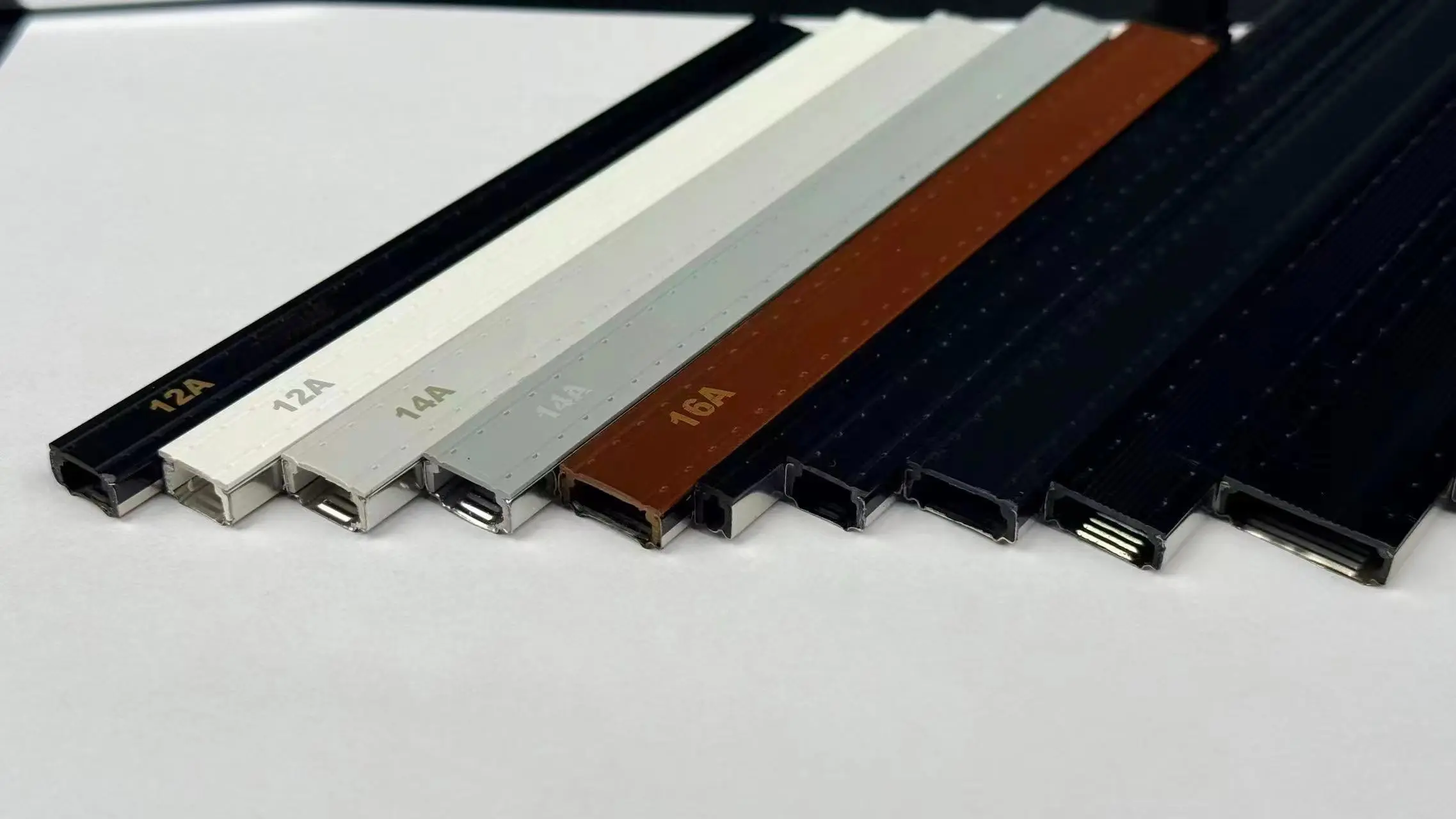
Learn how to prevent aluminum spacer bar breakage during bending. Get the right wall thickness and 3000/6000 series alloy tips for 5.5A to 19A models.
Bending cracks are one of the most frustrating issues in IGU production. A cracked spacer bar not only ruins the aesthetics of the window but also creates a severe leak point, leading to future fogging.
At Henghui, we have over a decade of factory experience. Based on our real production data, here are the professional guidelines for preventing breakage during bending, broken down by spacer bar sizes.
Small Sizes (5.5A and 8.5A)
When it comes to small spacer bars like 5.5A, the bending tolerance is extremely low. Because the size is so small, the metal is easily deformed.
Wall Thickness: The thickness must be at least 0.35mm or above. Anything thinner will result in poor bending quality and a deformed appearance.
Welding Type: For both 5.5A and 8.5A, we highly recommend choosing side-welded spacer bars. Side welding ensures the seam is incredibly strong and will not open or break during the high stress of corner bending.
Standard Sizes (9A and 12A)
These are the most common models used by overseas customers. For these sizes, the bending requirements are relatively lower compared to the smaller ones.
Wall Thickness: For a 12A spacer bar, a wall thickness of 0.30mm or above is generally sufficient.
Performance: Our factory tests have proven that 12A aluminum bars with 0.30mm+ thickness can be perfectly bent using both semi-automatic and fully automatic bending machines without any issues.
Large Sizes (15A, 19A, etc.)
You might think larger spacer bars are easier to bend, but that is a myth. Larger sizes require even higher structural integrity to maintain the bend radius.
Wall Thickness: For 15A and 19A models, the thickness must be pushed to 0.35mm or 0.38mm and above.
Why? The larger the surface area, the more tension is applied to the outer edge during bending. A high-quality alloy with a thicker wall is absolutely necessary to prevent micro-cracks.
Conclusion:
Choosing the right wall thickness and welding method is the secret to zero-defect bending. Don’t let cheap materials ruin your production line.
At Henghui, we provide premium aluminum spacer bars with customized thicknesses (0.25mm to 0.70mm+) and side-welded options specifically designed for your bending machines.
Crucial Tip: Choose the Right Aluminum Alloy Grade (3000 vs. 6000 Series)
When purchasing aluminum spacer bars, it is vital to communicate your exact bending requirements to your supplier. Different bending shapes require different raw materials:
For Standard 90-Degree Bending: If your project requires standard right-angle bending, always ask your supplier to use 3000 series aluminum alloy (such as 3003). This grade offers excellent formability for standard corners and provides a highly cost-effective solution for your production line.
For Large-Radius Curved Bending: If you need large-radius arcs or curved windows, you must specify 6000 series aluminum alloy (such as 6063-T5). 6000 series alloys possess much higher mechanical strength and superior bending properties, allowing them to achieve seamless large-radius curves without cracking. Using 6000 series not only meets the strict technical requirements but also offers the best cost-performance ratio for high-end customized projects.
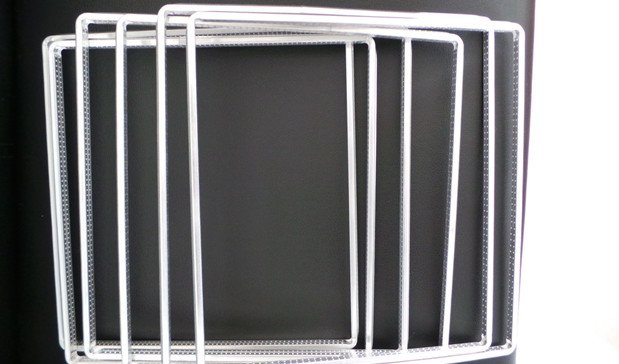
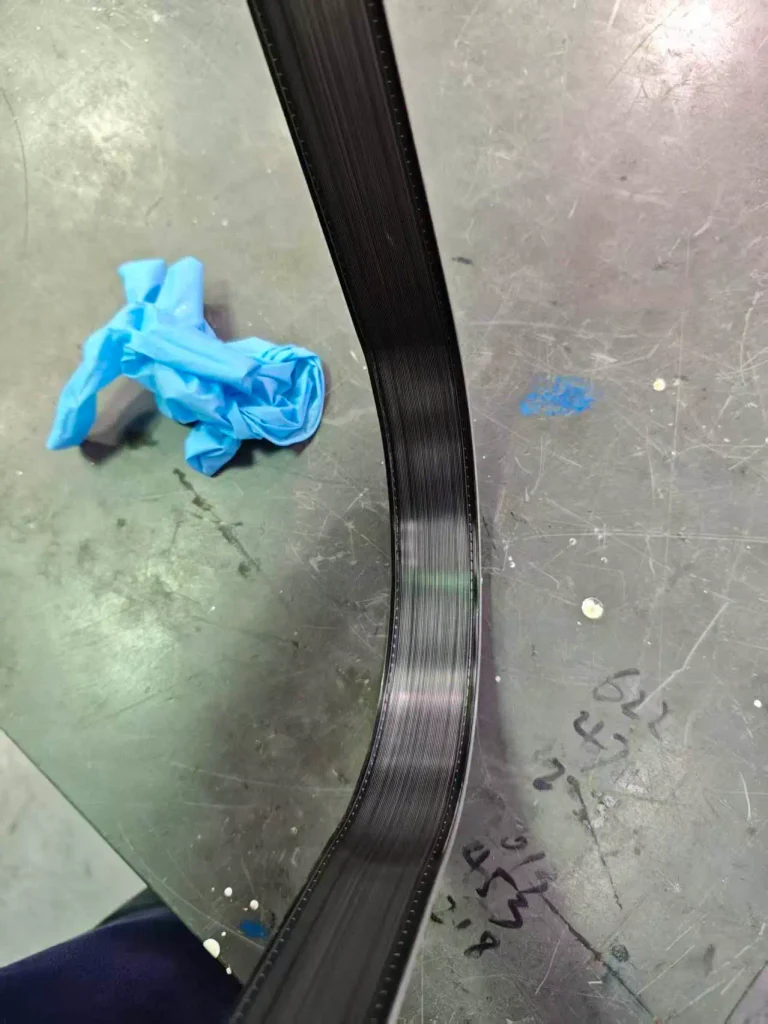
Always confirm the exact alloy grade with a professional manufacturer to avoid costly material mismatches!
Our In-House Bending Test Guarantee
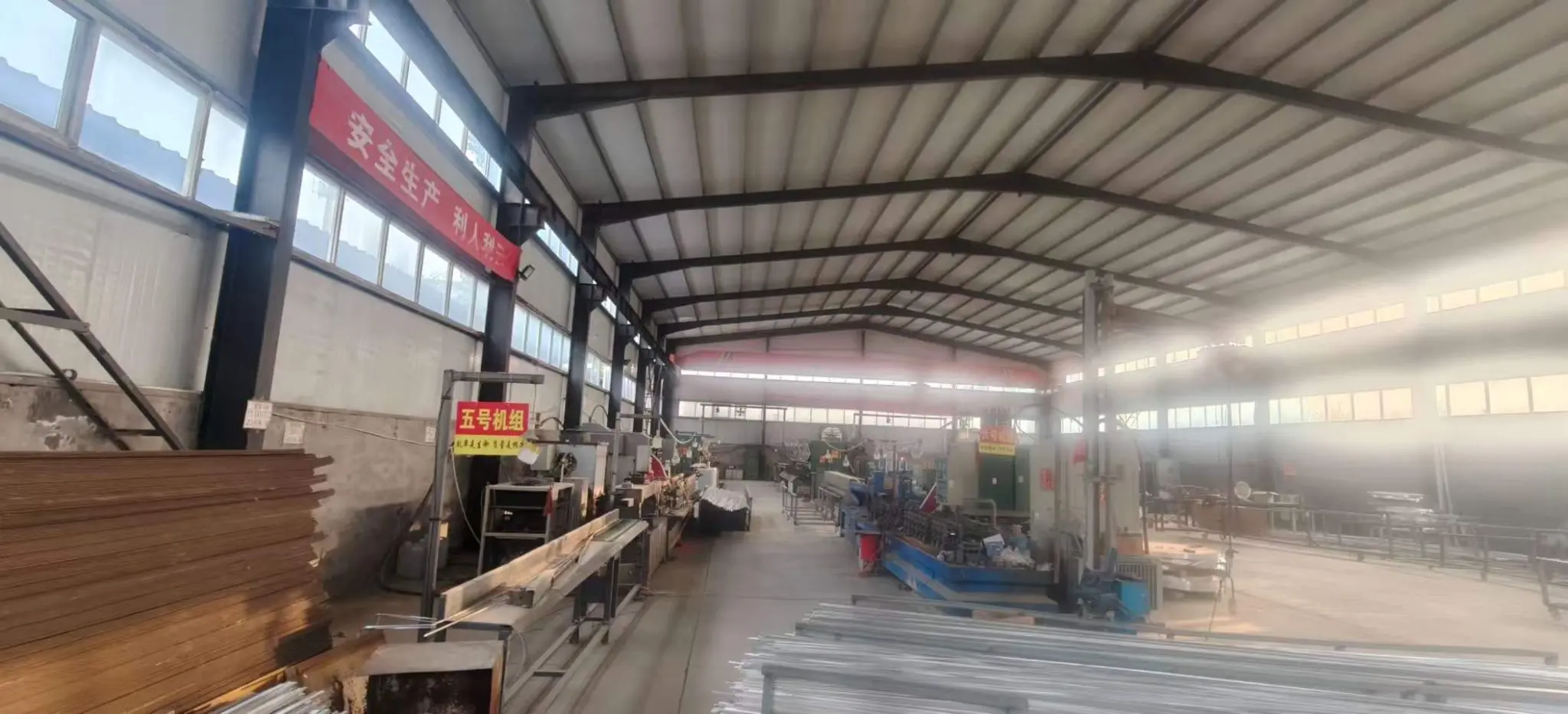
At Henghui, we don’t just sell materials; we test them. Before any batch of aluminum spacer bars leaves our factory, our engineers conduct strict bending tests using both semi-automatic and fully automatic machines. We ensure that the 3000 series alloy bends perfectly to 90 degrees without corner cracking, and the 6000 series alloy handles large-radius curves with absolute precision. When you buy from Henghui, you are buying tested, zero-defect performance for your production line.
[Contact us today with your bending machine type, and we will recommend the perfect spacer bar for you!]